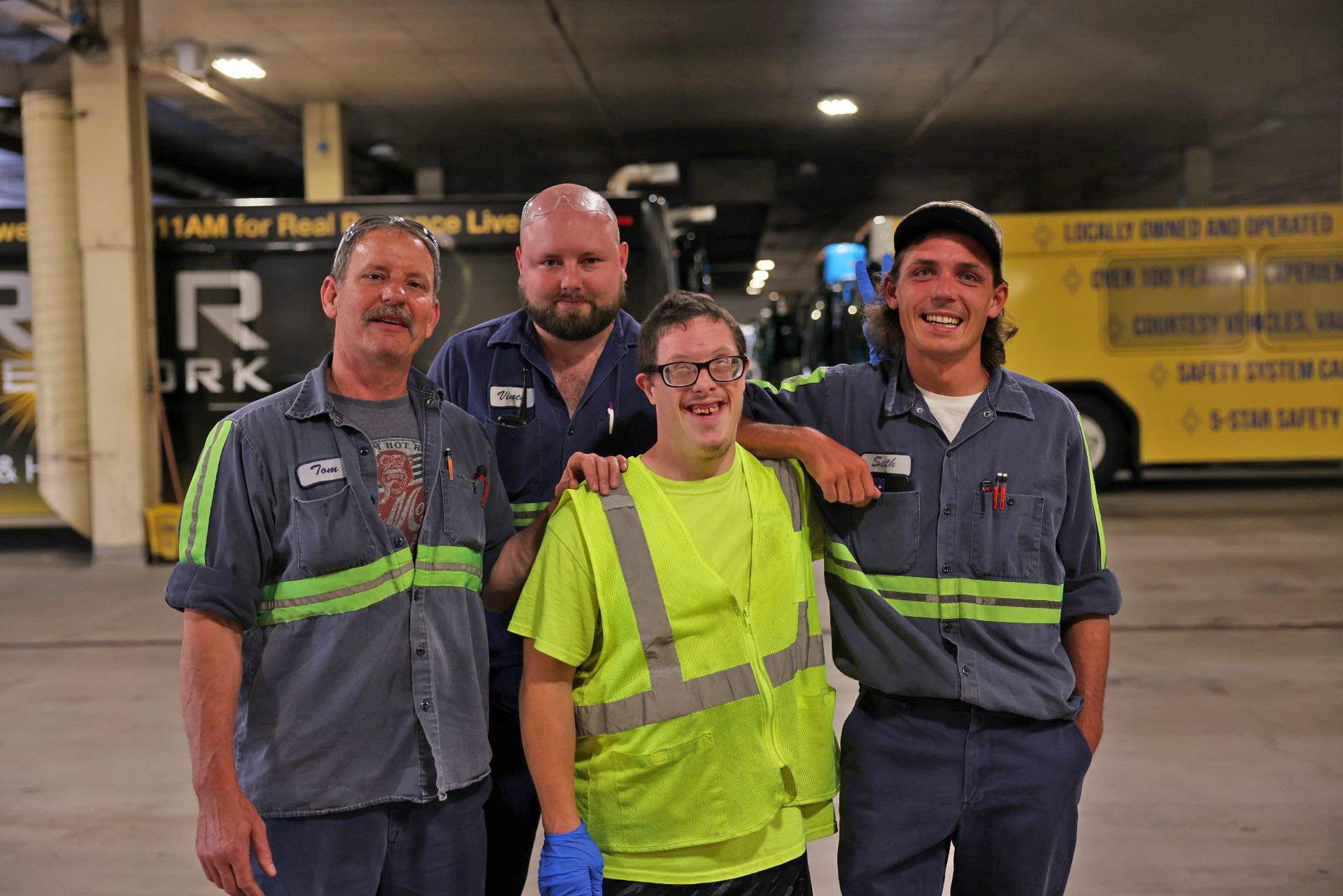
Udac supports people with disabilities at work and in the community across Duluth. Its internship with Essentia Health shows what happens when employers see talent up close.
Seven people started a paid internship at Essentia Health in Duluth in 2025. Nine weeks later, all seven had a job offer.
October is National Disability Employment Awareness Month, and this year’s theme is Celebrating Value and Talent. Udac has spent years showing its community what that looks like.
Work that happens in the community
Udac is a Duluth nonprofit with a mission in three parts: challenge disability, create opportunity, cultivate success. Its Career and Life Coaches help each person find a job, build independence, and take part in community life.
None of that happens behind closed doors.
“For the last five years, all of the work we’re doing is completely community based,” said Jenna Peterson, Organizational Development Director at Udac.
That means coaching happens at the job site, at a volunteer shift, or at a community class. It depends on the person and what they want. One person might want a job in landscaping but need to build stamina first. Udac connects them with the right resources to get there.
In 2025, Udac supported 75 people. Those who work are employed by more than 20 local businesses, from a grocery store to the power company.
Nine weeks inside a hospital
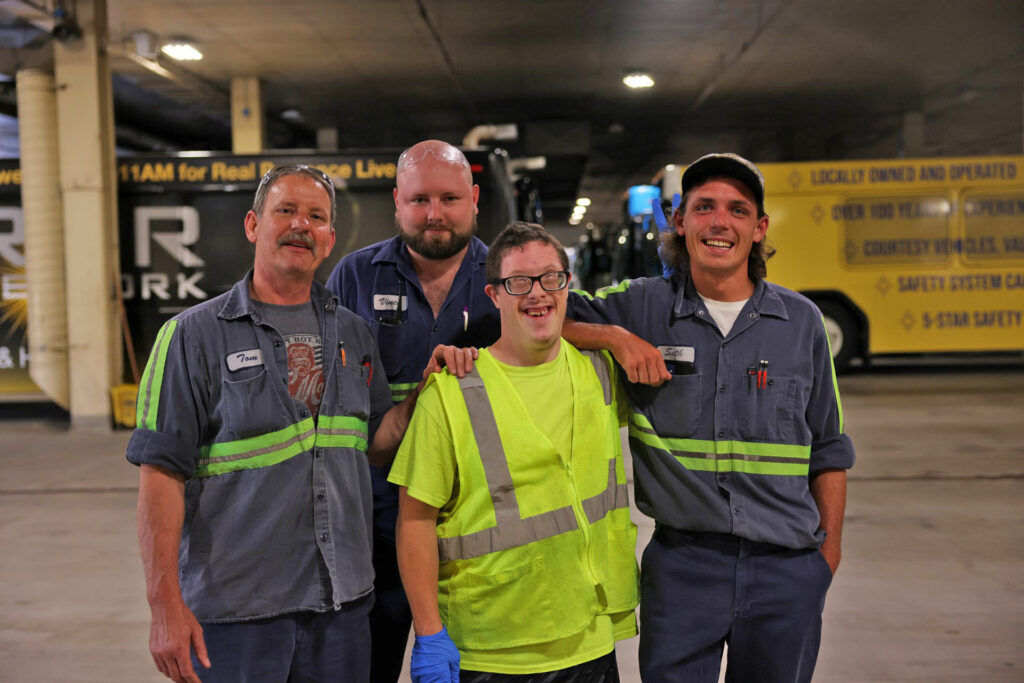
The Udac Business Internship Program is a nine-week paid internship built with local employers to meet real workforce needs.
At Essentia Health, interns work in nutrition services and environmental services. Both departments had a hard time filling jobs.
“Every single person who went through the internship program was offered a position to work there full time. And it was a paid internship. They weren’t going there unpaid.”
Not everyone says yes, and Jenna sees that as a good thing.
“That’s part of doing an internship,” Jenna said. “You find out if it’s something of interest to you. Or maybe you find out it’s not really your jam, and you go on to something else.”
The interns also have an unusual coworker. Jenna’s colleague John programmed a socially assistive robot to support the Essentia crew on site. It gives reminders, like setting a timer before a break or finishing a checklist before clocking in. People get support when they need it without a job coach standing next to them.
The elevator speech moment
Udac has used Unified Work’s training for years. When a new job seeker comes to Udac, a career skills class is often one of the first steps. It helps coaches get to know the person: their work history, their strengths, and how they handle real workplace situations.
Then the skills show up on the job. Jenna remembers touring Essentia with a group that had just finished the class.
“The director of nutrition services brought up the elevator speech, and their eyes just lit up.”
“The skills you all are teaching aren’t foreign to any industry or any hiring manager,” Jenna said. “I used to be a supervisor in healthcare, and I was teaching my frontline employees the same soft skills.”
Jenna recently attended a manager skills workshop with senior leaders from many industries. The topics were familiar: SMART goals and taking ownership of your career.
“That’s what I tell everyone who goes through the program,” Jenna said. “This is stuff you can put on your resume. This is stuff you’re going to use every day when you go to work.”
Showing young people what work looks like
In the summer of 2024, Udac hosted a group of transition-age youth for a week of job exploration. The group visited a restaurant, a grocery store, both local health systems, and manufacturers.
Udac staff did not lead the tours. Hiring managers did.
Udac paired the visits with Unified Work’s career skills materials, and some students took the live course too.

What the numbers say
Udac tracks its results every year. Here is what 2025 looked like:
- 7 interns at Essentia Health, 7 job offers, and 6 people employed
- 8 of 11 job seekers found competitive, integrated employment, with two more still searching
- 85% were still in their job after 90 days
- 100% of people started services within 14 days of referral, with no waiting list
- 75% of participants increased their transportation independence
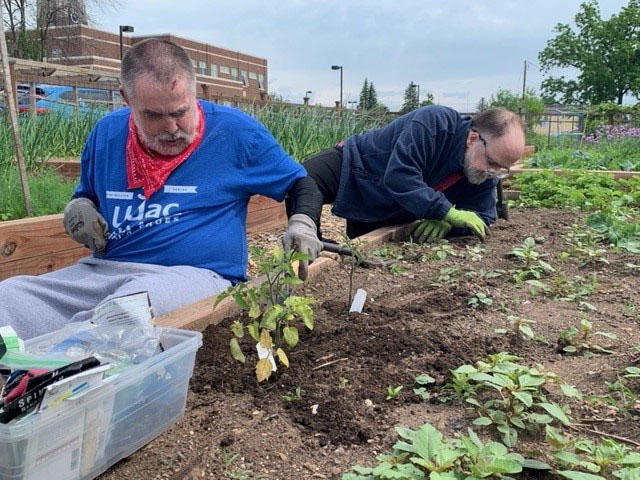
The impact goes beyond work. Five Udac self-advocates taught fourth graders about inclusion and person-first language through the Ambassadors for Respect program. Udac’s garden club grew and donated 102 pounds of fresh produce to a local food shelf.
See what people bring
We asked Jenna what employers should know before hiring a person with a disability.
“Everybody has their own strength. If you view a potential employee by what they can bring to the table, rather than your perception of what they may not be able to do, there’s value in that.”
“That’s how I treat my employees,” Jenna said.
A lot of Udac’s work, Jenna said, comes down to educating the community. Many people feel unsure how to act around a person with a disability. Jenna’s advice is simple.
“Don’t act any different.”
The rest happens by showing up.
“It’s not me being visible,” Jenna said. “It’s supporting the people we support to be present and be visible. They’re out there.”
This National Disability Employment Awareness Month, we are asking employers to take one step: interview one candidate with a disability. Reach out to Unified Work to get started.
Learn more about Udac at udac.org
Explore the training Udac uses at unifiedwork.com